Why Rare Moorcroft Pottery Matters to Collectors
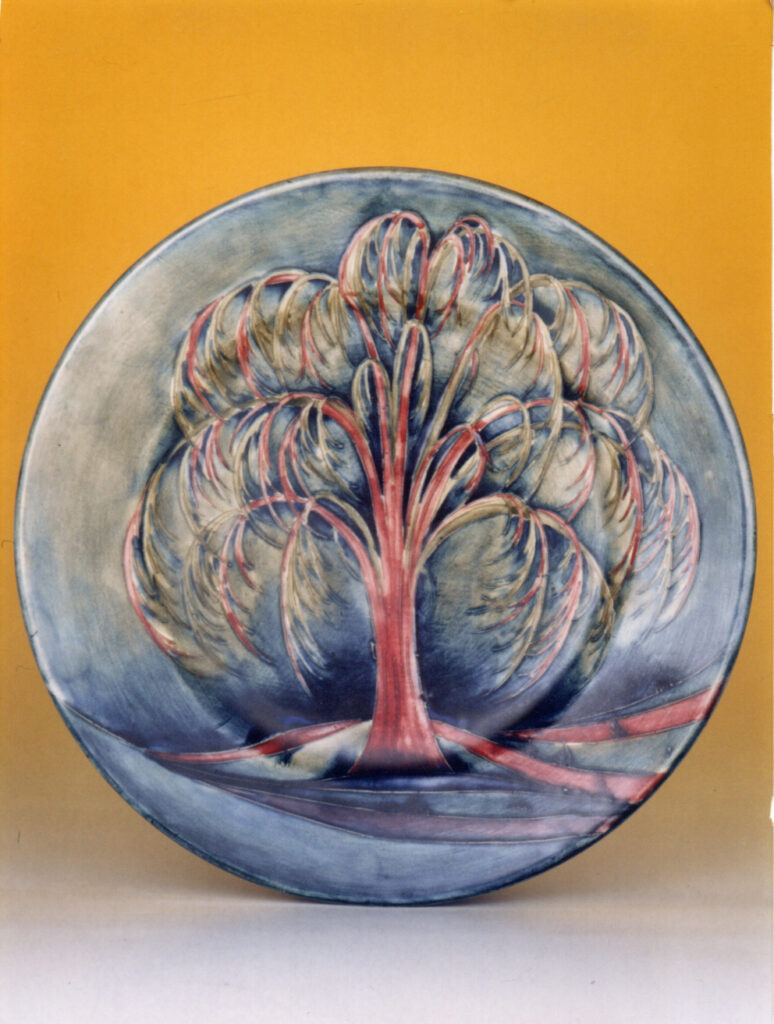
Among the many beautiful creations that emerged from the famous William Moorcroft pottery works, few designs inspire as much intrigue and admiration as the elusive Moorcroft Willow Tree pattern. While William Moorcroft produced a wide range of floral and landscape designs that captured the romantic charm of the English countryside, the Willow Tree design stands apart as both a visual triumph and a formidable rarity in 1930s Moorcroft pottery collecting.
Collectors who have spent decades studying early Moorcroft pieces and rare pottery designs know all too well that discovering an authentic Willow Tree example is close to impossible. Only a handful of authentic Willow Tree pottery pieces are known to exist today, each one representing a fleeting creative moment in the early 1930s — an era when William Moorcroft’s artwork reached some of its most refined artistic heights and commands premium prices at auction.
The Artistry Behind Moorcroft Willow Tree Design
What makes the Willow Tree design pottery so special lies in its combination of form, glaze, and mood. This Moorcroft pottery pattern reveals William Moorcroft’s unmatched ability to capture atmosphere in pottery — the quiet grace of the English countryside and the wistful silhouette of drooping willow branches rendered in flowing tube‑lined detail. Against a soft, almost ethereal background of muted blues and greens, the willow motif offers a sense of calm and timeless beauty.
The technique involved required high precision, with delicate line work that demanded complete control of the tube-lining process — a hallmark of quality Moorcroft art pottery. This decorative method left no room for error, meaning every Willow Tree Moorcroft vase or piece that survived firing represents a masterwork of early 20th-century British pottery.
Limited Production: Why Willow Tree Moorcroft Is So Rare
Part of what adds to the mystique of this rare Moorcroft design is its limited run. Production records from the Moorcroft pottery studio indicate that Willow Tree design was never made in high quantity, likely due to its complex decoration and the difficulty of achieving consistent results in firing. At that time, William Moorcroft was focused on maintaining the highest artistic quality rather than producing on a commercial scale.
As a result, only a small number of pieces left the factory — mostly Moorcroft pottery vases, with a few documented examples of bowls and small plaques. This scarcity separates Willow Tree Moorcroft pottery from more widely available patterns like Pomegranate, Eventide, and Clematis, making it a true prize for serious pottery collectors and Moorcroft enthusiasts.
Where to Find Moorcroft Willow Tree Pottery Today
Over the years, the whereabouts of known Moorcroft Willow Tree examples have become something of a legend among Moorcroft collectors. Some lie tucked away in private hands, occasionally surfacing at specialist auctions, where demand far outstrips supply. When one does appear on the rare pottery market, it typically commands intense interest and admiration.
For many, the rarity itself deepens the fascination. Unlike more widely available Moorcroft pottery patterns such as Pomegranate, Eventide, or Clematis, the Willow Tree pottery design represents the pinnacle of scarcity — the sort of treasure that defines an entire antique pottery collection rather than merely complements it.
Even seasoned Moorcroft pottery experts and seasoned Moorcroft devotees consider owning a Willow Tree pottery piece a once‑in‑a‑lifetime opportunity. Its serene imagery, together with its historical significance, connects collectors directly with the master’s hand and imagination.
Investment Value and Authentication
In today’s market, as appreciation for early Moorcroft pottery continues to grow, the Willow Tree pattern stands as both an artistic and emotional symbol of the golden age of British studio pottery. To find one is to hold a piece of history — a glimpse of William Moorcroft’s rarest designs, forever rooted in the beauty of nature and the excellence of craftsmanship.
When considering a Moorcroft Willow Tree vase or piece, authentication is critical. Look for the Moorcroft mark, which typically includes “Moorcroft” or “W.M.” along with a factory mark and pattern number. These identifiers distinguish authentic Moorcroft pottery from reproductions or similar art pottery pieces.
Collectors seeking 1930s Moorcroft pottery, rare English pottery, or investment pottery should work with reputable dealers familiar with early Moorcroft pieces and their market values. The Moorcroft Willow Tree design remains one of the most coveted examples of English ceramic art from the interwar period.